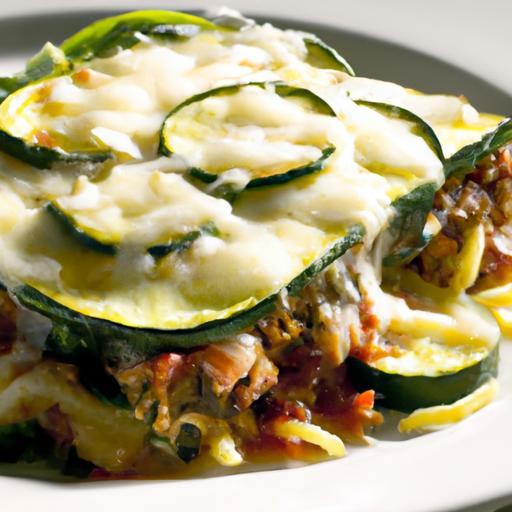
Unlock the Best Zucchini Lasagna: Slicing, Sauce & Freezing Tips
When summer’s bounty overflows with an abundance of zucchini, home cooks everywhere rejoice – and sometimes, scratch their heads wondering what to do with it all! While quick breads and grilled sides are always delicious, there's one dish that truly transforms humble zucchini into a show-stopping meal:
zucchini lasagna. This culinary marvel captures all the comforting, cheesy, and hearty elements of traditional pasta lasagna, but with a lighter, vegetable-forward twist. It’s the perfect way to sneak in some extra veggies, enjoy a gluten-free alternative, or simply delight in a fresh, garden-inspired dinner that’s both soul-satisfying and surprisingly lighter.
But making the perfect zucchini lasagna isn't just about swapping out pasta for vegetable slices. It involves mastering a few key techniques, primarily centered around managing zucchini's notoriously high water content. Dive in as we reveal the secrets to a non-watery, intensely flavorful, and perfectly freezable zucchini lasagna that will have everyone asking for seconds.
The Zucchini Lasagna Phenomenon: More Than Just a Meal
For anyone with a backyard garden, zucchini can become an almost overwhelming gift, producing pounds of versatile fruit. Fortunately, this prolific plant lends itself beautifully to countless recipes, and
noodle-free zucchini lasagna stands out as a true champion. It allows you to utilize that garden abundance while offering a fantastic alternative to heavy, carb-laden dishes. Imagine layers of rich, savory meat sauce (or a robust vegetarian filling) nestled between tender, cheesy zucchini ribbons – it’s a wholesome, hearty, and undeniably delicious experience. This dish proves that eating your vegetables can be an absolute indulgence.
Mastering the Zucchini Slices: Your Noodle-Free Foundation
The very heart of zucchini lasagna lies in its "noodles" – thinly sliced zucchini. Getting these right is crucial for both texture and moisture control.
Choosing the Right Zucchini
Don't just grab any zucchini! Opt for small to medium-sized zucchini. These typically have fewer, smaller seeds and a firmer flesh, which is ideal for holding up during baking. Oversized zucchini, while impressive, often have large, fibrous seeds and a mushier texture that won't make for great lasagna layers. Aim for zucchini that are relatively uniform in width for consistent slices.
Precision Slicing for Success
The key to preventing a watery lasagna often starts here: slice your zucchini very thinly, ideally no thicker than 1/4 inch. Thinner slices cook more evenly, release less water, and provide a more delicate texture that mimics pasta.
*
The Mandoline Advantage: A mandoline slicer is your best friend for this task. It ensures uniform, paper-thin slices quickly and efficiently. Always remember to use the safety guard to protect your fingers!
*
Sharp Knife Technique: If you don't have a mandoline, a very sharp chef's knife and a steady hand can achieve decent results. Take your time, focus on consistency, and aim for even thickness across all slices.
Laying out your uniform zucchini ribbons is the first step towards a lasagna that holds its shape and delights the palate.
Battling the Water Beast: Essential Moisture Control Techniques
Zucchini is over 90% water, making it the primary culprit behind a watery lasagna. Ignoring this crucial detail can lead to a soupy, disappointing dish. Fortunately, there are several effective strategies to minimize moisture and ensure your lasagna is flavorful and firm, not soggy. For even more detailed tips, check out our guide on
How to Make Zucchini Lasagna Without the Watery Mess.
The Salting & Patting Method
This technique is a popular choice, especially if you're making a gluten-free zucchini lasagna or prefer a less altered texture.
*
Process: Lay your thinly sliced zucchini on paper towels or a clean kitchen towel. Sprinkle generously with salt on both sides. Let them sit for 15-30 minutes. The salt draws out moisture through osmosis.
*
The Payoff: You'll see beads of water form on the surface. After the time is up, firmly pat the slices dry with more paper towels. This removes a significant amount of excess water.
*
Pros: Excellent for gluten-free recipes, preserves the natural zucchini texture.
*
Cons: Adds an extra step and time.
The Flour Absorption Trick
For those who don't need a gluten-free option, tossing zucchini slices with a little bit of flour can work wonders.
*
Process: After slicing, lightly toss the zucchini ribbons with a small amount of all-purpose flour.
*
The Payoff: As the lasagna bakes, the flour absorbs the water released by the zucchini, effectively thickening it within the layers.
*
Pros: Simple, effective, and less hands-on than salting.
*
Cons: Not suitable for gluten-free diets, can slightly alter texture.
Pre-Cooking Zucchini: Grilling or Roasting
This method requires a bit more effort but offers a fantastic texture and deepens the flavor of the zucchini.
*
Process: Lightly brush zucchini slices with olive oil and season. Grill them until tender with char marks, or roast them in a hot oven (around 400°F / 200°C) until slightly softened and browned, about 5-7 minutes per side.
*
The Payoff: Pre-cooking evaporates a large amount of moisture *before* it even goes into the lasagna, resulting in a much firmer final dish. It also adds a delicious smoky or caramelized flavor.
*
Pros: Most effective for moisture reduction, enhances flavor and texture.
*
Cons: Adds a significant amount of prep time.
Smart Sauce Management
Even your sauce plays a role in moisture control. If using a meat sauce, simmer it uncovered for a good period. This allows excess moisture to evaporate, concentrating the flavors and thickening the sauce. A thinner sauce will contribute to a watery lasagna, regardless of how well you treat your zucchini.
Crafting Layers of Flavor: Sauce, Cheese, and Everything Nice
Beyond the zucchini itself, the layers of sauce and cheese are what give zucchini lasagna its signature indulgent quality.
The Hearty Meat Sauce
A well-developed meat sauce is the backbone of many great lasagnas.
*
Lean Ground Beef: Using lean ground beef (or turkey) minimizes grease, keeping the dish lighter. Brown it well, breaking it up into fine crumbles. Drain any excess fat.
*
Rich Tomato Base: Combine your browned meat with high-quality crushed tomatoes or tomato sauce. Add aromatics like garlic, onion, and fresh herbs (oregano, basil, thyme) for depth.
*
Simmering Uncovered: As mentioned, simmering your sauce uncovered for at least 30-60 minutes is critical. This not only allows flavors to meld beautifully but also thickens the sauce by letting water evaporate. A thick, rich sauce clings to the zucchini and cheese layers, preventing sogginess.
*
Seasoning: Don't forget salt, black pepper, a pinch of sugar (to balance acidity), and perhaps a dash of red pepper flakes for a subtle kick.
The Creamy Cheese Filling
The cheese layers provide creaminess, tang, and that irresistible golden-brown crust.
*
Ricotta vs. Cottage Cheese: Both are popular choices. Ricotta offers a richer, smoother, and slightly sweeter profile, contributing to a more luxurious texture. Cottage cheese is tangier, often lower in fat, and provides a coarser texture. Choose whichever you prefer – both are delicious! Mix with an egg (for binding), Parmesan cheese, and fresh parsley for flavor.
*
Mozzarella Matters: When it comes to mozzarella, reach for part-skim shredded mozzarella over fresh mozzarella. Fresh mozzarella, while delicious, has a much higher water content and can make your lasagna watery. Part-skim melts beautifully, stretches wonderfully, and helps maintain a drier, firmer lasagna.
Vegetarian Delights
For a vegetarian
noodle-free zucchini lasagna, swap the meat sauce for a hearty mushroom and spinach filling. Sauté mushrooms until deeply browned to release their moisture and concentrate their umami flavor. Wilt spinach, squeeze out excess water, then combine with a rich tomato base or blend with your cheese mixture. This creates a deeply satisfying, meat-free alternative.
Assembling, Baking, and Freezing Your Zucchini Lasagna
With all your components ready, it’s time to bring it all together.
Layering for Structural Integrity
Just like traditional lasagna, the order of your layers matters for stability and even cooking.
1.
Sauce Base: Start with a thin layer of sauce at the bottom of your baking dish. This prevents the first layer of zucchini from sticking and adds moisture.
2.
Zucchini Ribbons: Arrange a layer of zucchini slices, slightly overlapping, to completely cover the sauce. You might need to trim some slices to fit.
3.
Cheese Filling: Spread half of your ricotta/cottage cheese mixture over the zucchini.
4.
Meat/Vegetarian Sauce: Ladle a generous layer of your prepared sauce.
5.
Mozzarella & Parmesan: Sprinkle generously with mozzarella and Parmesan cheese.
6.
Repeat: Continue layering zucchini, cheese filling, sauce, and shredded cheese, typically ending with a final layer of zucchini topped generously with sauce, mozzarella, and Parmesan for that coveted golden-brown crust.
Baking to Perfection & The All-Important Rest
Bake your zucchini lasagna in a preheated oven (usually around 375°F / 190°C) until bubbly, the cheese is melted, and the top is golden brown. This typically takes 45-60 minutes, with the last 10-15 minutes uncovered to achieve a beautiful crust.
Perhaps the most overlooked step for any lasagna, especially one made with zucchini, is letting it rest after baking. Once out of the oven, tent it loosely with foil and let it sit for at least 15-20 minutes. This allows the layers to set, the juices to redistribute, and prevents it from collapsing into a watery mess when you slice into it. Patience here is key for a beautifully structured slice.
Freezing for Future Feasts
One of the greatest advantages of zucchini lasagna is its freezer-friendliness, making it an excellent meal prep option.
*
Assemble & Wrap: Assemble the lasagna in a freezer-safe baking dish. Once assembled but *before* baking, wrap it tightly in a layer of plastic wrap, followed by a layer of heavy-duty aluminum foil. Label with the date.
*
Freeze: Freeze the unbaked lasagna for up to three months.
*
Thaw & Bake: To cook, transfer the frozen lasagna to the refrigerator overnight to thaw. Then, bake as directed in the recipe, perhaps adding an extra 10-15 minutes to account for its initial cold temperature. If baking from frozen (not recommended for best results, but possible), cover it tightly with foil and bake at a lower temperature (around 350°F / 175°C) for 1.5-2 hours, then uncover and bake until bubbly and golden.
*
Portioning: You can also bake the lasagna, let it cool completely, then cut it into individual portions. Wrap each portion tightly and freeze for convenient single servings. Reheat in the microwave or oven until warmed through.
Conclusion
Zucchini lasagna is a testament to the versatility and deliciousness that can be achieved when embracing garden-fresh ingredients. By paying close attention to how you slice your zucchini, strategically managing its moisture, and crafting flavorful layers, you can create a dish that rivals any traditional pasta lasagna – often surpassing it in terms of freshness and nutritional value. Whether you're looking for a healthier dinner option, a way to use up a summer harvest, or simply a comforting meal that’s a little different, this guide provides all the tips you need to unlock the best zucchini lasagna. So go ahead, embrace the zucchini, and prepare to savor a truly remarkable, hassle-free, and flavorful meal.