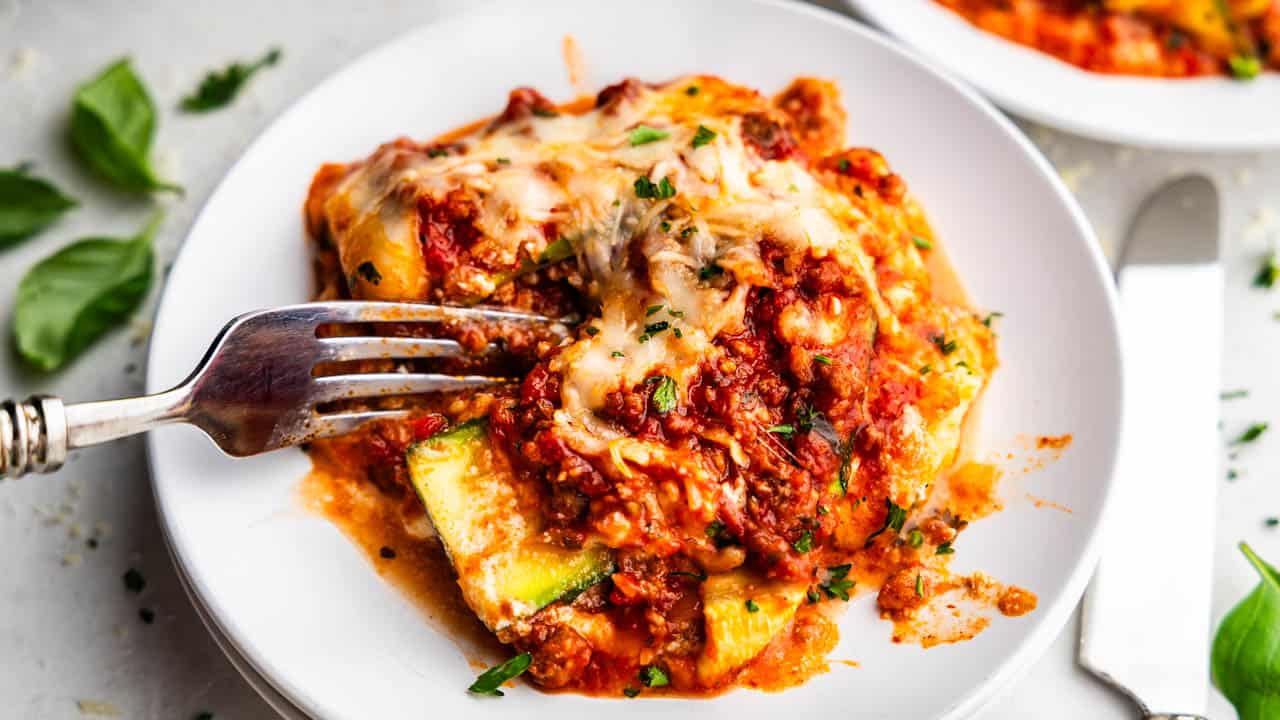
Noodle-Free Zucchini Lasagna: Lighter, Hearty & Garden Fresh
Few vegetables evoke the feeling of summer abundance quite like zucchini. For anyone with a backyard garden, the sheer volume of zucchini a single plant can produce is legendary—often yielding pounds of this versatile squash. While there are countless creative ways to utilize this bounty, from sweet quick breads to savory stir-fries, one dish stands out as a true culinary triumph: zucchini lasagna. This innovative, noodle-free take on a classic comfort food offers all the soul-satisfying richness of traditional lasagna, but with a lighter touch, packed with wholesome vegetables, and a freshness that speaks of sun-drenched gardens.
Imagine a hearty, cheesy casserole that artfully layers robust meat sauce (or a vibrant vegetarian alternative) with creamy cheese fillings, all bound together by tender, thinly sliced zucchini instead of pasta. This isn't just a gluten-free or low-carb alternative; it's a delicious dish in its own right, perfect for when you're seeking a lighter meal that doesn't compromise on flavor or satisfaction. Whether you're managing a zucchini surplus or simply craving a healthier twist on an old favorite, mastering zucchini lasagna is a rewarding culinary journey.
Mastering the Art of Non-Watery Zucchini Lasagna
One of the most common challenges home cooks face when preparing zucchini lasagna is preventing it from becoming a watery mess. Zucchini, after all, is over 90% water, and if not handled correctly, that moisture can leach out during baking, diluting your sauce and creating a less-than-ideal texture. But fear not! With a few expert techniques, you can ensure your zucchini lasagna is firm, flavorful, and perfectly cheesy every time.
Thin Slicing: Your First Line of Defense
The foundation of a successful zucchini lasagna lies in how you prepare your zucchini. Unlike some recipes where shredded zucchini can be pressed to remove water, for lasagna, you need intact slices to replace traditional noodles. The key is to slice your zucchini very thinly, ideally no thicker than 1/4 inch. Thinner slices mean less overall water content per layer and quicker cooking, allowing the moisture to evaporate more efficiently. A mandoline slicer is an invaluable tool for achieving uniform, wafer-thin slices quickly and consistently, but always remember to prioritize mandoline safety with proper guards and techniques.
The Flour or Salt Method: Absorbing Excess Moisture
To further combat sogginess, two primary methods prove highly effective:
- The Flour Trick: For standard recipes, a light dusting of flour over your zucchini slices before layering is a game-changer. As the lasagna bakes, the flour acts like a sponge, absorbing the water released by the zucchini. This simple step significantly contributes to a firmer, less watery final product.
- The Salting Method (for Gluten-Free or Enhanced Drying): If you're aiming for a gluten-free zucchini lasagna, or simply want an extra layer of moisture removal, salting is your go-to. Arrange your thinly sliced zucchini on a wire rack over a baking sheet, sprinkle generously with salt, and let them sit for about 15-20 minutes. The salt will draw out moisture through osmosis, forming beads of water on the surface. After this time, gently pat the slices completely dry with paper towels before assembling your lasagna. This method, while requiring an extra step, is incredibly effective.
Pre-cooking Zucchini: The Ultimate Upgrade
Many experienced cooks consider pre-cooking the zucchini slices to be the ultimate secret weapon against watery lasagna. Grilling, roasting, or even briefly sautéing your zucchini slices before layering them offers distinct advantages:
- Grilling: A quick grill imparts a lovely smoky flavor and char, while also evaporating significant moisture.
- Roasting: Spreading slices in a single layer on baking sheets and roasting them in a hot oven (around 400°F/200°C) until tender-crisp and slightly browned is highly effective. This not only removes water but also caramelizes the zucchini slightly, enhancing its flavor.
While pre-cooking does add an extra step and can subtly alter the texture of the zucchini in the finished dish, the difference it makes in preventing a watery casserole is substantial. For a deeper dive into these techniques and more, check out our guide on How to Make Zucchini Lasagna Without the Watery Mess.
Crafting the Perfect Zucchini Lasagna: Key Ingredients & Expert Tips
Beyond moisture control, the success of your zucchini lasagna hinges on selecting the right ingredients and preparing them thoughtfully. Each component plays a vital role in creating that harmonious blend of flavors and textures.
Optimal Zucchini Selection
Choosing the right zucchini is paramount. Opt for small- to medium-sized zucchini, which tend to have a firmer texture, fewer seeds, and a more concentrated flavor. Avoid oversized zucchini, which often have large, pulpy seeds and a mushier flesh that can contribute to sogginess and a less desirable mouthfeel. Fresh, firm zucchini will hold up best to slicing and baking.
Sauce Savvy: The Heart of Your Lasagna
The sauce is where the robust flavor of your zucchini lasagna truly shines. Whether you prefer a rich meat sauce or a vibrant vegetarian alternative, careful preparation makes all the difference:
- Homemade Meat Sauce: A classic choice, a quick-and-easy homemade meat sauce made with lean ground beef, quality tomato sauce, and your favorite Italian seasonings is ideal. Simmering the sauce uncovered for a good period allows excess moisture to evaporate, concentrating the flavors and preventing it from making your lasagna watery. This also deepens the umami notes.
- Vegetarian Variations: For a delightful meat-free version, incorporate finely chopped mushrooms, spinach, and other vegetables into a robust marinara. Mushrooms, when sautéed properly, provide a savory depth that rivals meat, while spinach adds a beautiful color and nutritional boost.
Consider slow-simmering your sauce for an hour or more to allow the flavors to meld beautifully. A touch of red wine or a pinch of sugar can balance acidity and enhance complexity.
Cheese Choices: Creaminess and Structure
The creamy, cheesy layers are essential to any lasagna, and zucchini lasagna is no exception. Thoughtful cheese selection can impact both flavor and moisture content:
- Ricotta vs. Cottage Cheese: Both options provide that classic creamy layer. Ricotta is often preferred for its richer, smoother texture, while cottage cheese offers a slightly tangier, curdy consistency and often lower fat content. Choose based on your preference. Whichever you select, gently pressing out any excess liquid can help prevent a watery middle.
- Mozzarella Matters: When it comes to mozzarella, reach for part-skim, low-moisture mozzarella. Fresh mozzarella, while delicious, contains a very high water content and will release too much liquid during baking, leading to a runny lasagna. Part-skim melts beautifully, provides that iconic cheese pull, and helps maintain the structural integrity of your dish.
- Parmesan Power: Don't forget the Parmesan! A generous grating of freshly grated Parmesan cheese between layers and on top adds a salty, nutty depth of flavor that complements the other ingredients perfectly.
Beyond the Bake: Freezing and Customizing Your Zucchini Lasagna
The beauty of zucchini lasagna extends beyond its deliciousness; it's also incredibly versatile and freezer-friendly, making it an excellent meal prep option for busy weeks or unexpected guests.
Freezing Zucchini Lasagna for Future Feasts
Just like its noodle-laden cousin, zucchini lasagna freezes exceptionally well, allowing you to enjoy a homemade meal with minimal effort later. To freeze, assemble the lasagna in a freezer-safe baking dish, but do not bake it. Once assembled, wrap the dish tightly first in a layer of plastic wrap, then an additional layer of aluminum foil. This double-layer protection prevents freezer burn and keeps your lasagna fresh. It can be frozen, unbaked, for up to three months. When you're ready to enjoy it, simply thaw the lasagna in the refrigerator overnight, then bake as directed in your recipe. You might need to add a few extra minutes to the baking time to ensure it's heated through.
Customizing Your Culinary Creation
Zucchini lasagna is a fantastic canvas for culinary creativity. Here are some ideas to customize your dish:
- Spice it Up: Add a pinch of red pepper flakes to your sauce for a subtle kick, or more for a bolder flavor.
- Herbaceous Wonders: Experiment with different herbs. Beyond basil and oregano, consider fresh thyme, rosemary, or marjoram for unique aromatic profiles.
- Veggie Boost: Incorporate other vegetables like sautéed bell peppers, onions, or finely chopped carrots into your sauce or cheese layers for added nutrients and flavor.
- Different Cheeses: While mozzarella and ricotta are staples, don't shy away from adding a layer of provolone, fontina, or even a smoked gouda for a gourmet twist.
- Protein Variations: Instead of ground beef, consider ground turkey, Italian sausage, or a mix of lentils and walnuts for a hearty vegetarian protein.
For more advanced tips on ingredient preparation, sauce variations, and freezing, including insights on pre-baking vs. freezing raw, dive into our comprehensive guide: Unlock the Best Zucchini Lasagna: Slicing, Sauce & Freezing Tips.
Conclusion
Noodle-free zucchini lasagna is more than just a recipe; it's a celebration of garden freshness, smart cooking techniques, and the joy of a truly satisfying meal. By mastering the art of moisture control, selecting quality ingredients, and embracing customization, you can create a dish that is not only lighter and healthier but also bursting with flavor and comforting warmth. Whether you're working through a summer zucchini harvest, seeking a delightful gluten-free option, or simply looking for a hearty and nutritious family dinner, this garden-fresh lasagna is a culinary revelation that proves you don't need noodles to make a truly magical lasagna.
